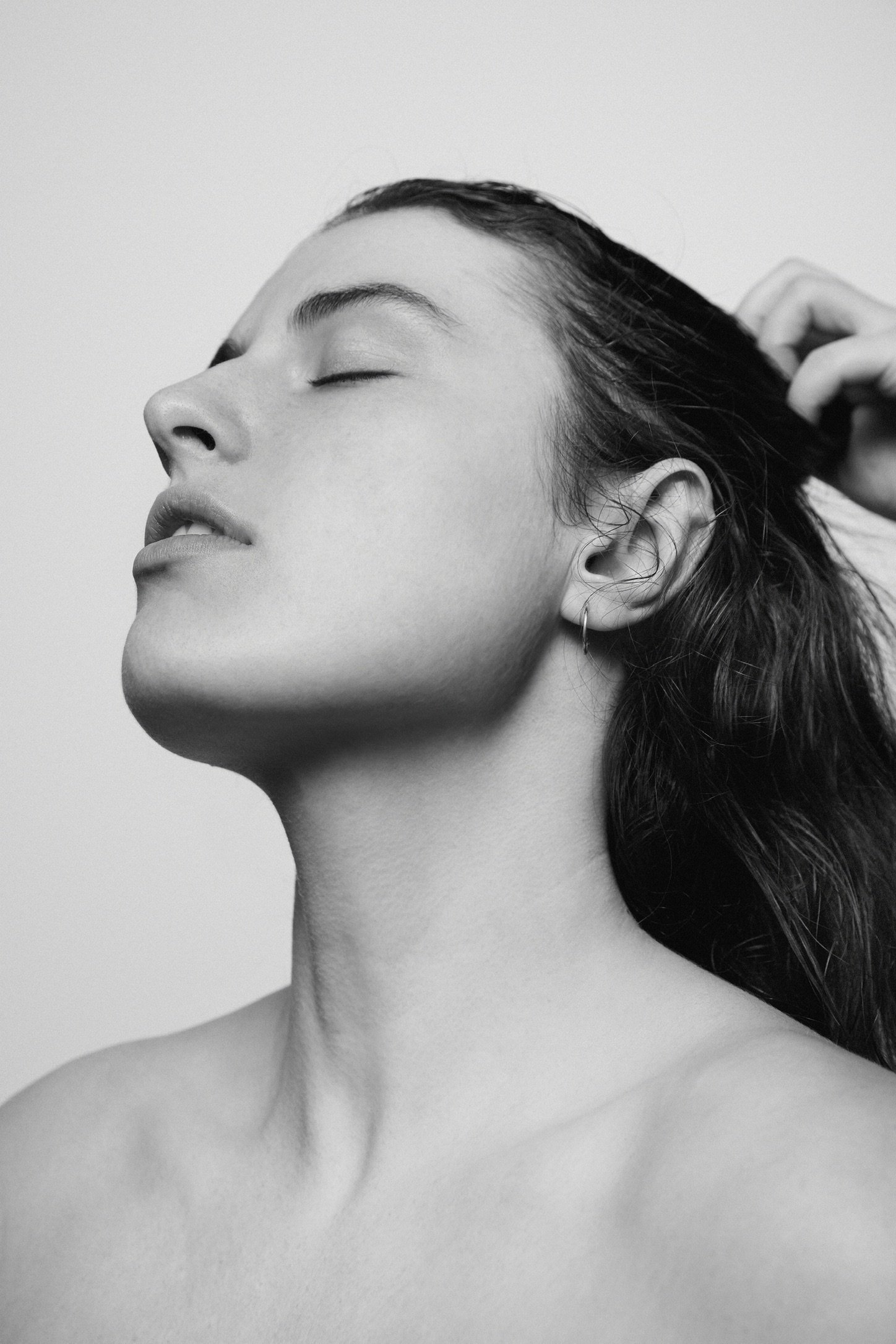
Okay Photo (Jaz Blom, Michael Rees-Lightfoot)
An introduction
Saraid Taylor is a professional athlete, represented by Stella Athletes. She is signed to Naarm in the AFLW.
An introduction
Saraid Taylor is a success. She is also a failure. Each of her careers have hauled themselves forward in parallel: demarcated consistently, enduringly, by failure. As a consequence, Saraid’s writing often examines the relationship between resilience and shame.
Sport and art are separate identities.
They are positioned as opposing, antithetical. But the two often interact with, and inform, the other. Both are vehicles: for growth, for expression, for change; for us to understand the world and share meaning. They cultivate connections. They forge empathy.
thist seeks to reconcile both.
Alex Chidiac is 160cm. She was born on the fifteenth day of January in 1999. She grew up on Kaurna Country, and currently lives in Milan. Alex uses she/her pronouns. She is a professional football player who made her Matildas debut at sixteen. She has never eaten Vegemite-flavoured Shapes.
Andy Maher is 183cm. He was born on the sixteenth day of July in 1964—a Thursday. He lives on Wurundjeri Country. Andy is a journalist and television personality. He uses he/him pronouns. He has never eaten beef jerky.
Tarang Chawla is 185cm. He was born on the fifth day of February in 1987. He grew up, and still lives, on Wurundjeri Woo Wurrung Country. Tarang is an advocate, educator, campaigner, and former commissioner. He uses he/him pronouns. He has never eaten steak tartare.
Beth Lynch is 173cm. She was born on the nineteenth day of May in 1997. She grew up on Boonwurrung/Bunurong Country, and now lives on its intersection with Wurundjeri Country. Beth uses she/her pronouns. She is a professional football player. She has never eaten a human, or an oyster.
The first step is to be silly. Be silly enough that, despite considering yourself a relatively balanced and logical person, you dread New Years. Dread it so much you reject the reality of its impending arrival. Believe fully in your powers of rejection. Think: It will be different this year.
Marlee Silva is 170cm. She was born on the fifteenth day of September in 1995. A Gamilaroi and Dunghutti woman, she currently lives on Dharrawal Country. Marlee uses she/her pronouns. She is a storyteller — a television host, commentator, podcaster, and author. She has never eaten a kangaroo.
Sashi Perera is 157cm. She was born on the twenty-eighth day of August in 1986 in Colombo, grew up in Dubai, Muscat and Boorloo, and now lives in Naarm. Sashi uses she/her pronouns. She is a comedian and author. She has never eaten a shark.
Maeve Chaplin is 167cm. She was born on the twenty-second day of August in 2002, and currently lives on Wurunderji Woi-wurrung Country. Maeve uses she/her pronouns. Named in the AFLW All-Australian team for 2025, she is a professional footballer. She has never eaten beef tartare.
Rhydian Cowley is 181cm. He was born on the fourth day of January in 1991 and lives on Wurundjeri Country. Rhydian uses he/him pronouns. A professional race walker, he has been to three Olympics. He has never eaten haggis.
Marissa Williamson Pohlman is 173cm. Born on the nineteenth day of February in 2002, she is a Ngarrindjeri woman raised on Wadawurrung Country and currently living on the unceded lands of the Wurundjeri Woiwurrung people. Marissa uses she/they pronouns. They are a professional boxer. They have never eaten a witchetty grub.
Geraldine Hakewill is 179cm. She was born in Paris, France, on the thirteenth day of July in 1987, grew up on Darramurragal / Guringai land and now lives on Dja Dja Wurrung country. Geraldine uses she/her pronouns. She has never eaten a Dagwood dog. She is an actor.
Joe Williams is 171cm. He was born on the fourth day of September in 19831. He is a Wiradjuri/Wolgalu man who lives on Wiradjuri country. Joe uses he/him pronouns. He was a professional NRL player who became a professional boxer and, now a PhD candidate, is an adjunct associate professor at the School of Psychology. He has never eaten a frog.
Megan Fitzsimon is 169cm. She was born on the tenth day of August in 2002, grew up on Gunaikurnai country and currently lives on Wurundjeri land. Megan uses she/her pronouns. She has never eaten blue cheese. She is a professional footballer.
Shelley Heath is 160cm. She was born on the sixth day of June in 2000 and currently lives on Bunurong land. Shelley uses she/her pronouns. She has never eaten a durian. She is a professional footballer.